Fine Art & Antiques

A second set of expert eyes.

Loupe is a connoisseurship companion for fine art and antiques. Photograph a piece; it reads what it sees, teaches you what you're holding, and flags the truly exceptional for an expert's eye. You don't have to be a connoisseur — Loupe helps you become one, and tells you when the piece grandmother always called priceless just might be. We begin with Chinese porcelain.

Reading · Shot 03 Ming dynasty blue-and-white porcelain vase
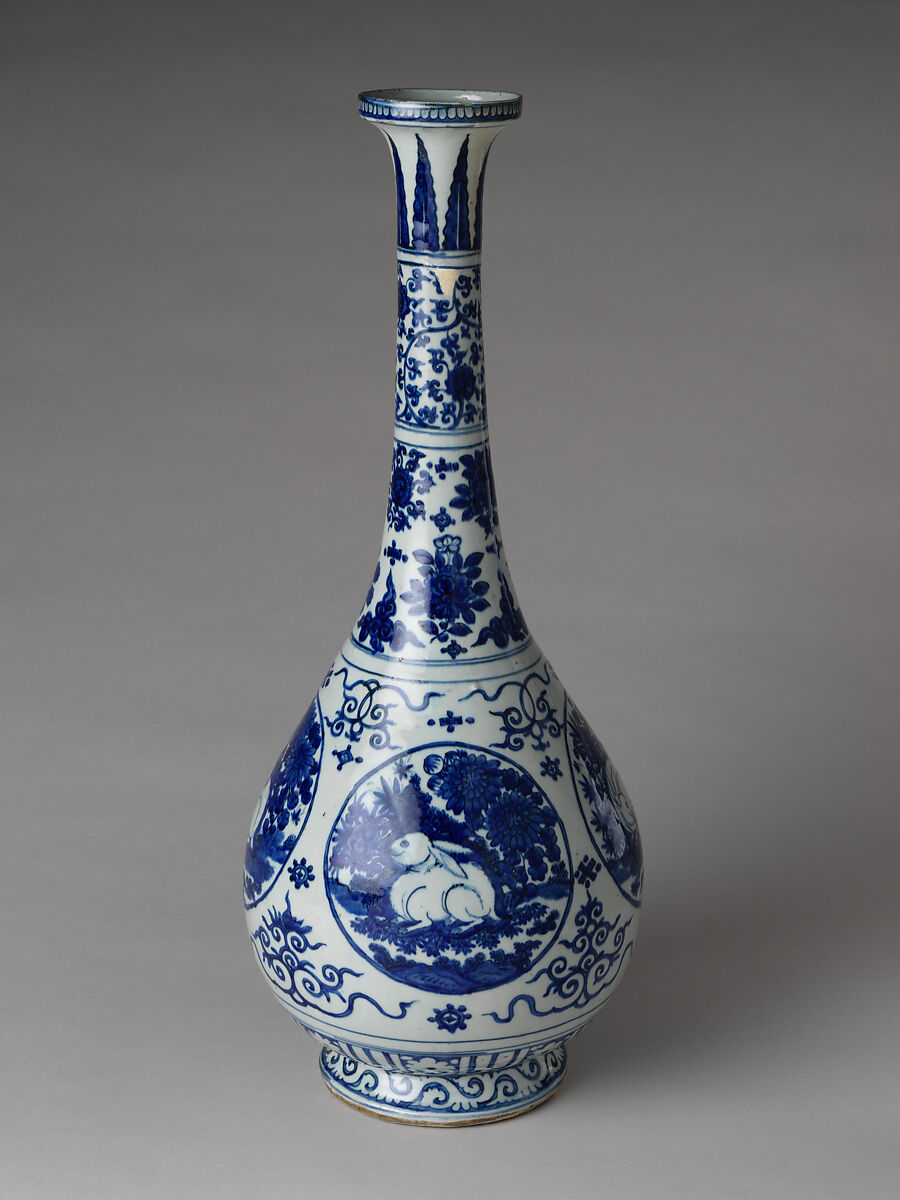
Underglaze cobalt blue
Jingdezhen ware
78%confidence
The problem

Expertise doesn't scale. Objects do.

The art and antiques trade turns over tens of billions a year — yet the eye that separates a period piece from a clever later copy lives in a shrinking circle of specialists, and it takes a career to train. Most objects are seen, photographed, and bought or sold without it — and most people holding a piece have no way to know what they have.

$57.5B
Global art market sales in 2024.
Art Basel & UBS, 2025
40.5M
Works changing hands in a single year.
Art Basel & UBS, 2025
A career
To train the eye that reads one field with authority.
The connoisseurship bottleneck
How it works

A guided examination, one photograph at a time.

Loupe doesn't pretend to know an object from a single glance. It works the way a connoisseur does — building a reading shot by shot.

01

Photograph the piece

A phone and a window will do. Loupe is built for real conditions — warm light, reflections, a piece on the kitchen table — not a studio.

02

Loupe reads & directs

It names what it can and cannot yet tell — form, glaze, palette, a reign mark — then sends you to the single most diagnostic next shot.

03

Learn — and know when it matters

Findings and confidence build into a record that teaches you what you're holding — and if a piece looks genuinely exceptional, Loupe flags it for an expert's eye.

The method

Built to be doubted.

Trust in connoisseurship is earned by restraint. Loupe is designed to be cautious, transparent, and never the final authority.

Reasons only from evidence

Every read is tied to something visible in the photograph. Loupe never invents detail it cannot see.

?Names its uncertainty

It tells you what it cannot yet determine and what photograph would confirm or overturn the reading.

Flags the doubts

Later copies, marriages, restoration, apocryphal marks — surfaced plainly, never buried under false confidence.

Knows when to call an expert

When a piece looks genuinely exceptional, Loupe says so and points you toward a specialist. It deepens your own judgment — it never pretends to be the last word.

One engine, many fields

Deep on porcelain first — then category by category.

The connoisseur's method is universal; the knowledge is not. Loupe pairs one reasoning engine with a deepening library for each field, taught alongside leading specialists. Conversations are already underway across textiles, lacquerware, paintings, furniture, silver, and jewelry.

Chinese porcelain Live Chinese textiles In dev Japanese lacquerware In dev Renaissance paintings In dev Medieval altarpieces In dev European furniture In dev Silver In dev Fine china In dev Jewelry In dev

What Loupe is taught from

Loupe is schooled like any student of the fine arts — on each field's literature and the teaching of working experts. The difference: it has read the whole world's scholarship, gathered over millennia, and can recall all of it in seconds.

  • The standard reference literature of each field — the catalogues and monographs connoisseurs actually rely on.
  • Structured connoisseurship: reign-mark charts, kiln chronologies, the tells of later copies and restoration.
  • A growing circle of working specialists across the US, UK, Europe, and Asia whose corrections sharpen every reading.

Puts a connoisseur's eye in every hand.

Loupe AI is in early access, beginning with Chinese porcelain. If you appraise, deal, collect, or invest in the field, we'd like to put it in your hands.